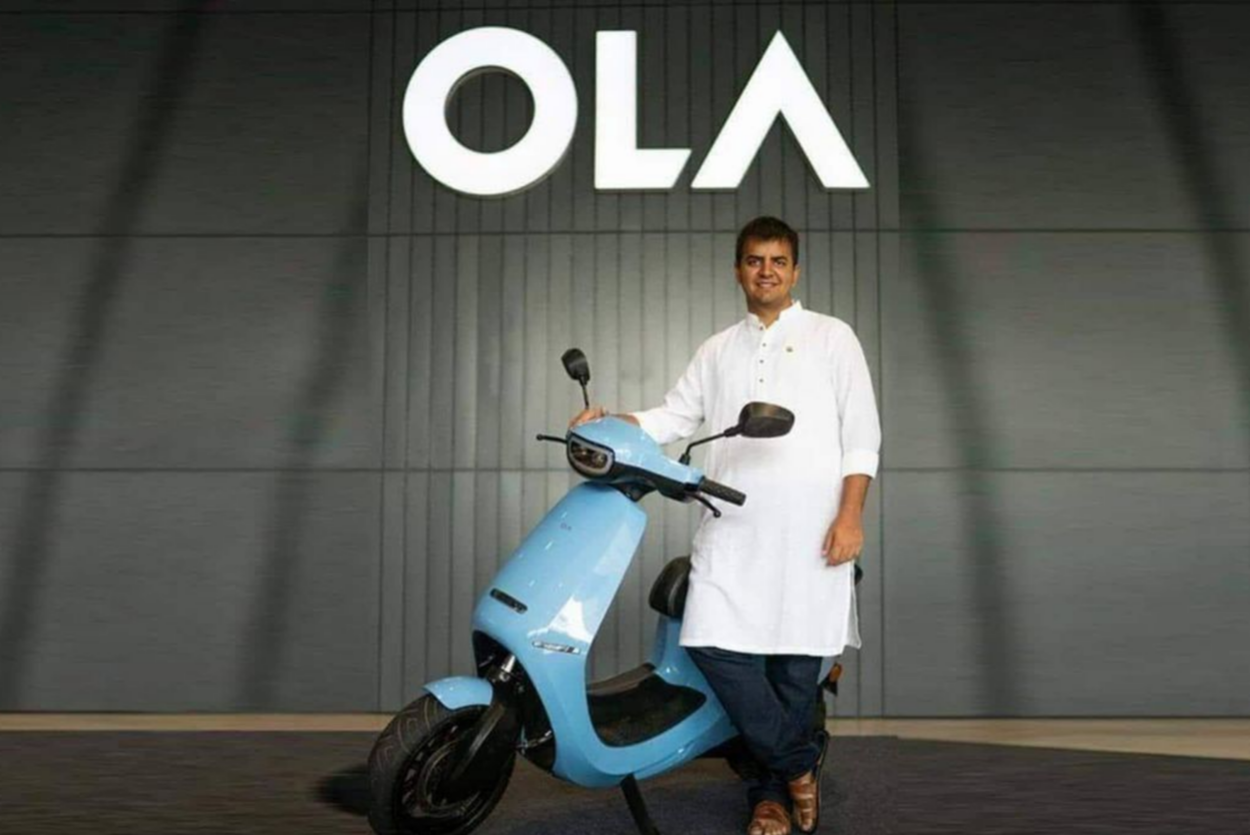
The Government of India has approved the Ola Electric PLI Incentive, granting the EV maker ₹366.78 crore under the PLI-Auto Scheme FY25, aimed at accelerating electric two-wheeler manufacturing in India. This initiative marks a strong policy endorsement of domestic EV innovation and Ola’s growing contribution to sustainable mobility.
Through this incentive, the Ministry of Heavy Industries recognizes Ola Electric’s performance and localized manufacturing efforts for FY25. The Ola Electric PLI incentive FY25 directly links rewards to qualifying sales, encouraging large-scale, value-based production. Following this announcement, Ola Electric shares PLI incentive approval saw a notable surge in investor confidence. As India races toward a cleaner automotive future, this incentive isn’t just a financial milestone—it is a strategic step toward positioning the country as a global leader in advanced EV manufacturing.
Understanding the Ola Electric PLI Incentive
The Ola Electric PLI Incentive is part of the Government of India’s ambitious Production Linked Incentive (PLI) program designed to encourage large-scale manufacturing across critical sectors. For FY25, the PLI-Auto Scheme FY25 focuses on automotive and component production, particularly in the electric vehicle (EV) segment.
This ₹366.78 crore incentive granted to Ola Electric is a reward for meeting key performance parameters, including localized component production, incremental sales, and export contribution. The amount will be disbursed through IFCI Limited, the designated financial body under the PLI-Auto framework.
Ola Electric’s eligibility stems from its consistent efforts to build advanced electric two-wheelers, strengthen battery technology, and enhance production at its FutureFactory in Tamil Nadu.
For comparison, automakers such as Mahindra pickup models have benefited from government-driven manufacturing support programs, boosting India’s automotive sector resilience.
Breakdown of the PLI-Auto Scheme FY25
The PLI-Auto Scheme FY25 is a strategic move by the Government of India to build self-reliance in the automotive sector.
Here’s a summary of its key components:
| Component | Description |
|---|
| Scheme Duration | 2022–2027 (5 years) |
| Total Outlay | ₹25,938 crore |
| Implemented By | Ministry of Heavy Industries |
| Focus Areas | EVs, Hydrogen vehicles, Advanced Automotive Technology components |
| Key Beneficiaries | Ola Electric, Tata Motors, Mahindra & Mahindra, and others |
| Objective | Encourage local manufacturing, reduce imports, increase global competitiveness |
This structure closely resembles other government initiatives that promote self-reliance and safety in India’s vehicle industry, like the evolving standards behind the Maruti Suzuki Fronx crash test rating a move toward safer, locally manufactured vehicles.
Through the Ola Electric PLI Incentive, the company’s success in scaling local production and boosting component sourcing is now formally recognized and rewarded.
Why the Ola Electric PLI Incentive Matters
Ola Electric has been at the forefront of electric two-wheeler manufacturing in India. With products like the S1 Pro and S1 Air, the company has rapidly captured consumer interest while pushing technological boundaries.
The incentive serves multiple objectives:
- Encourages domestic value addition in EV components.
- Strengthens the supply chain ecosystem for electric vehicles.
- Supports job creation and skill development in green manufacturing.
- Demonstrates the government’s confidence in Ola’s contribution to the EV landscape.
The approval of this Ola Electric PLI incentive FY25 further emphasizes how fiscal support can accelerate innovation, improve competitiveness, and reduce import reliance for critical EV components such as batteries and controllers.
Readers interested in emerging trends across heavy and utility vehicles can explore details like JCB price in India, which shows how industrial mobility continues to evolve alongside EV innovation.
Ola Electric’s Market Performance and Growth Path
Despite facing tough competition from TVS, Ather, and Bajaj, Ola Electric continues to lead in innovation and scale. In FY25, the company delivered 3,59,221 electric two-wheelers, up from 3,29,549 units in the previous year.
However, its market share slipped slightly in late 2025 due to intensified competition. This is where the Ola Electric PLI Incentive becomes a turning point, enabling strategic reinvestment in R&D, manufacturing optimization, and global expansion.
Ola Electric’s FY24 vs FY25 Performance Chart
| Metric | FY24 | FY25 | Growth (%) |
|---|
| Deliveries (Units) | 3,29,549 | 3,59,221 | +9.0% |
| Market Share | 28% | 20% | -8% |
| Revenue (₹ crore) | 2,810 | 3,100 | +10.3% |
| Government Incentive | – | 366.78 | N/A |
This growth trajectory is similar to Mahindra’s strategic moves with models like the Mahindra Veero price on road, showcasing how automakers are leveraging innovation to maintain leadership in their respective segments.
Investor Response: Ola Electric Shares PLI Incentive Approval Impact
The announcement of the Ola Electric PLI Incentive led to a 5.4% surge in share prices, as reported by multiple business portals. The market interpreted this as a signal of government trust and future profitability potential.
Investors saw this as a strong indication that Ola Electric remains a central player in India’s EV roadmap. The Ola Electric shares PLI incentive approval news also attracted institutional investors and analysts who anticipate improved balance sheet resilience and faster product diversification.
For readers exploring price trends in other vehicle categories, comparing models like Ashok Leyland bus price gives a broader understanding of how policy and innovation affect commercial transport pricing in India.
Policy Perspective: Driving Electric Two-Wheeler Manufacturing in India
The PLI-Auto Scheme FY25 is not just about incentives; it represents a structural shift in how India perceives automotive innovation. By tying rewards to performance, the government ensures accountability while fostering competition among manufacturers.
Key Policy Goals of the PLI-Auto Scheme FY25:
- Reduce import dependency for EV components.
- Strengthen localized production capacity.
- Position India as a global hub for EV manufacturing.
- Increase export potential of advanced automotive technology.
- Encourage sustainable production practices.
Similarly, in the agricultural segment, government-backed growth can be observed in vehicles like the Swaraj 855 FE 4×4 price, showing India’s commitment to empowering domestic engineering across industries.
The Ola Electric PLI Incentive is thus a crucial element in realizing the country’s vision for a green and self-reliant automotive ecosystem.
How the Incentive Supports Future Expansion
Ola Electric’s FutureFactory is one of the world’s largest EV manufacturing facilities. The newly sanctioned funds are expected to:
- Expand assembly lines for electric motorcycles.
- Increase production capacity for battery modules.
- Improve automation and smart production systems.
- Advance in-house R&D for next-generation EV platforms.
The Ola Electric PLI incentive FY25 provides the necessary financial backing to pursue these upgrades while maintaining cost competitiveness against global EV players.
Meanwhile, other niche mobility innovations, like fusion cars price and buggy car price in India, reflect how automotive technology continues to diversify in India’s modern vehicle landscape.
Challenges Ahead for Ola Electric
While the Ola Electric PLI Incentive is a positive development, several challenges lie ahead:
- Rising Competition: TVS, Ather, and Bajaj are aggressively scaling EV production.
- Profitability Pressure: Despite revenue growth, cost control remains crucial.
- Supply Chain Constraints: Shortages in lithium and semiconductors may slow output.
- Investor Sentiment: Market trust must remain consistent after stake changes.
As seen in the broader vehicle market from commercial machines to off-roaders like buggy car price sustaining profitability and reliability is a key challenge for all manufacturers, including EV leaders.
Expert Take: The Bigger Picture
Analysts believe that the Ola Electric PLI Incentive could mark the beginning of a new growth cycle for the company. The incentive not only strengthens cash flow but also boosts R&D for future-ready EVs, including potential launches in the motorcycle and export segments.
Experts emphasize that policy-backed funding is vital for scaling advanced mobility technology. As India transitions toward full electrification, strategic incentives like these could make electric two-wheeler manufacturing in India both globally competitive and domestically sustainable.
Ola Electric PLI Incentive Overview Table
| Parameter | Details |
|---|
| Total Incentive Approved | ₹366.78 crore |
| Scheme Name | PLI-Auto Scheme FY25 |
| Approved By | Ministry of Heavy Industries |
| Disbursed Through | IFCI Limited |
| Eligibility Basis | Incremental sales and localization achievement |
| Financial Year | FY25 |
| Impact Area | EV manufacturing, job creation, R&D investment |
| Sector Beneficiaries | EV and auto component manufacturers |
What This Means for EV Buyers
For consumers, the Ola Electric PLI Incentive may result in:
- More affordable EV options as production scales up.
- Improved reliability through greater investment in quality control.
- Wider model availability with new two-wheeler variants.
- Better charging infrastructure tied to Ola’s mobility ecosystem.
Such developments mirror the diversification seen in other innovative vehicle categories, from buggy car price models to fuel-efficient tractors, shaping India’s automotive identity as more inclusive and future-focused.
Conclusion
The Ola Electric PLI Incentive is more than a financial reward; it is a strategic policy that strengthens India’s journey toward sustainable mobility. As the government continues to encourage localized production and technology innovation, Ola Electric’s leadership under the PLI-Auto Scheme FY25 reinforces India’s commitment to clean transport.
By expanding manufacturing capabilities, advancing R&D, and ensuring affordability, Ola Electric is setting benchmarks for the next generation of electric two-wheeler manufacturing in India. With Ola Electric shares PLI incentive approval bolstering investor trust, the company is ready to redefine India’s electric mobility landscape.
Frequently Asked Questions
1. What is the Ola Electric PLI Incentive?
The Ola Electric PLI Incentive is a government-approved benefit worth ₹366.78 crore under the PLI-Auto Scheme FY25, rewarding Ola Electric for domestic manufacturing achievements.
2. What is the PLI-Auto Scheme FY25?
It’s a five-year policy promoting advanced vehicle and component manufacturing in India, especially for electric vehicles.
3. Why was Ola Electric chosen for this incentive?
Ola met all localization and production targets, qualifying under the Ola Electric PLI incentive FY25 scheme.
4. How did the Ola Electric shares PLI incentive approval affect the stock?
The announcement led to a 5.4% rise in share prices, reflecting investor optimism.
5. How will this incentive help EV buyers?
It enables Ola to produce better-quality, cost-effective EVs through improved R&D and economies of scale.
6. What is the broader impact on electric two-wheeler manufacturing in India?
It strengthens India’s position as a leading EV manufacturing hub by promoting technology localization.
7. What are the key challenges Ola Electric still faces?
Market competition, cost pressures, and supply chain constraints remain ongoing challenges.
8. What’s next for Ola Electric after receiving the PLI incentive?
Ola plans to expand into electric motorcycles and export markets, supported by the Ola Electric PLI Incentive.